Vivid Seats App 3.0: An App Worth Coming Back To
Redesigning the Vivid Seats app to create reasons to return, not just reasons to convert. A cross-functional project spanning product, engineering, and marketing.
01 — Overview & Problem
What we were trying to solve
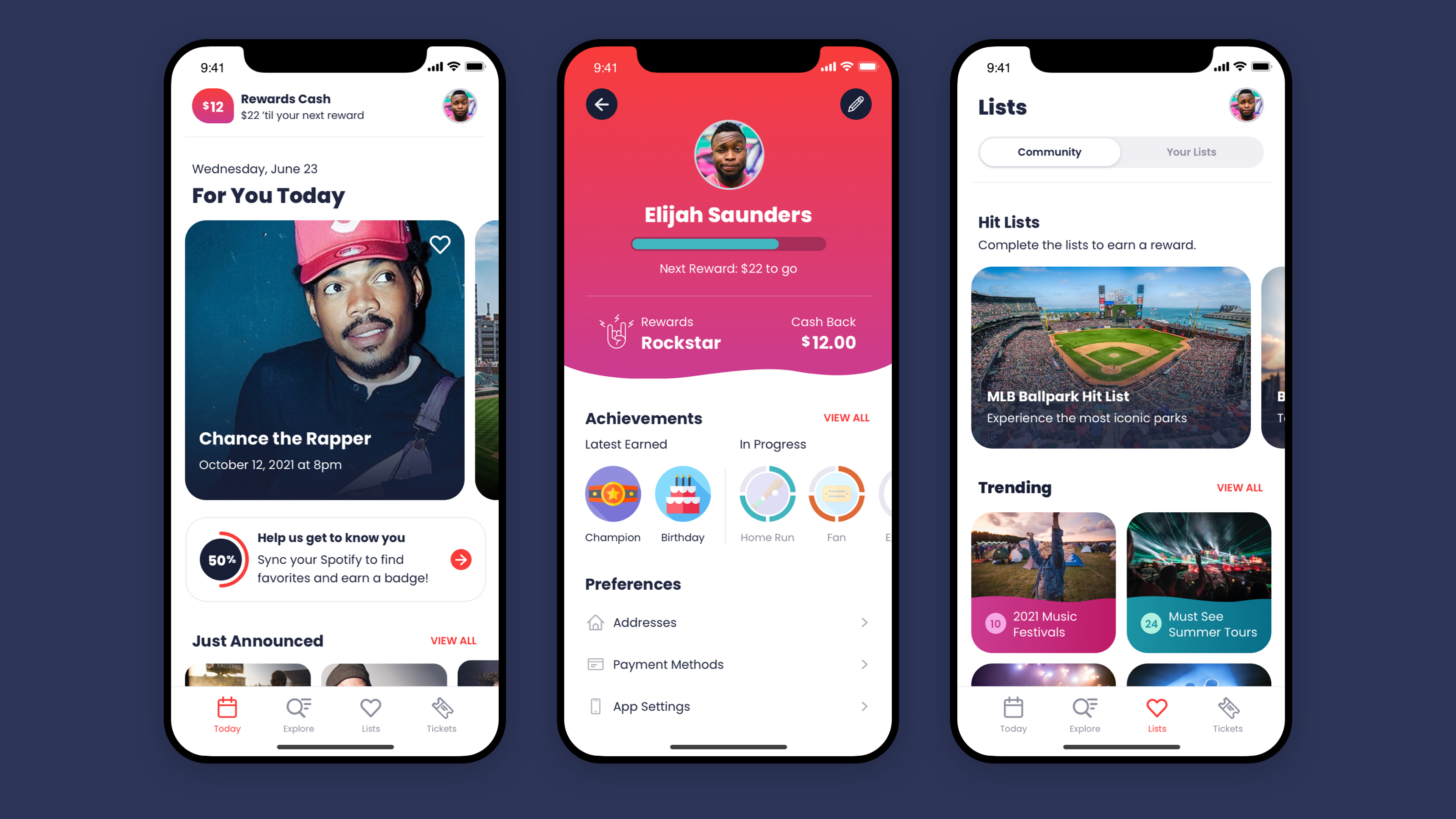
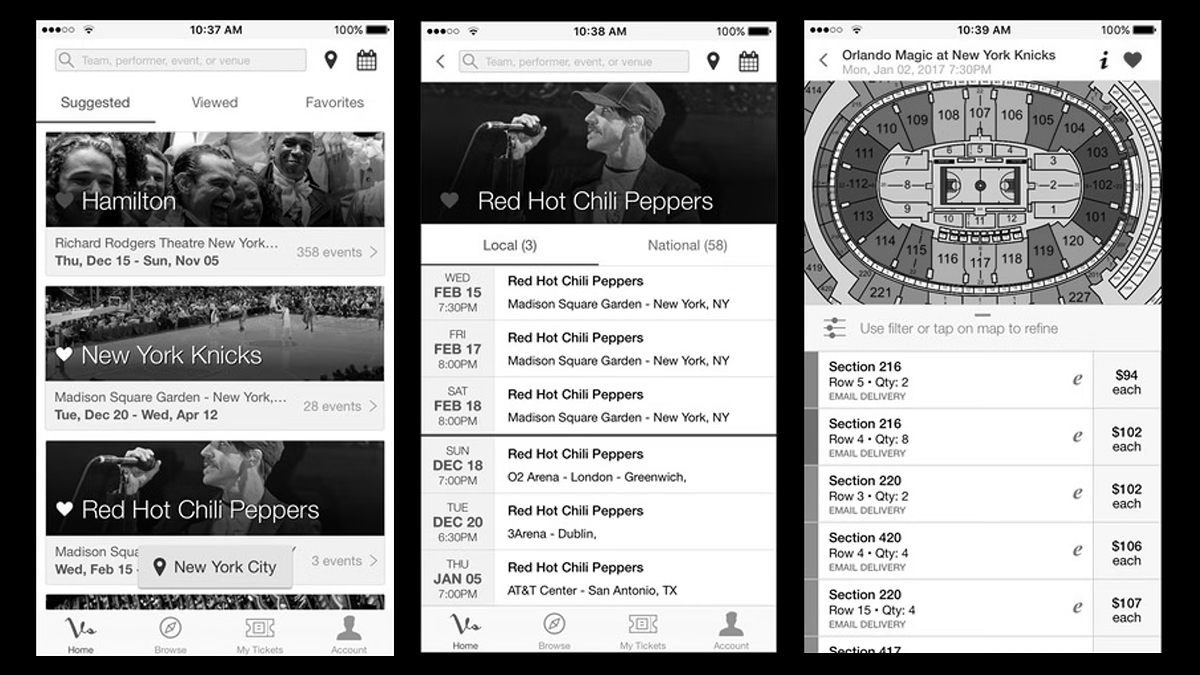
In 2020, the Vivid Seats app was the company's best-performing product, but a purely transactional one: users showed up to buy tickets, then left. Nothing brought them back in between, no discovery, no wishlisting, no social layer. The challenge was designing an experience that gave people reasons to return, not just reasons to convert, while getting product, engineering, marketing, and leadership to agree on what success meant.
02 — My Role & Team
Where I fit in
I led this initiative as Manager of Product Design, owning the process from stakeholder workshops through shipped components in our Roadie Design System. A key part of the job was translating broad goals like "increase engagement" into concrete, testable feature concepts leadership could act on.
03 — Process
How I approached it
We started with competitive analysis outside ticketing, looking at any product known for pulling users back regularly, for patterns in personalization, community, and reward mechanics not tied to a core transaction. Surveys and unmoderated testing confirmed it: people wanted a sense of ownership and continuity, something that remembered them.
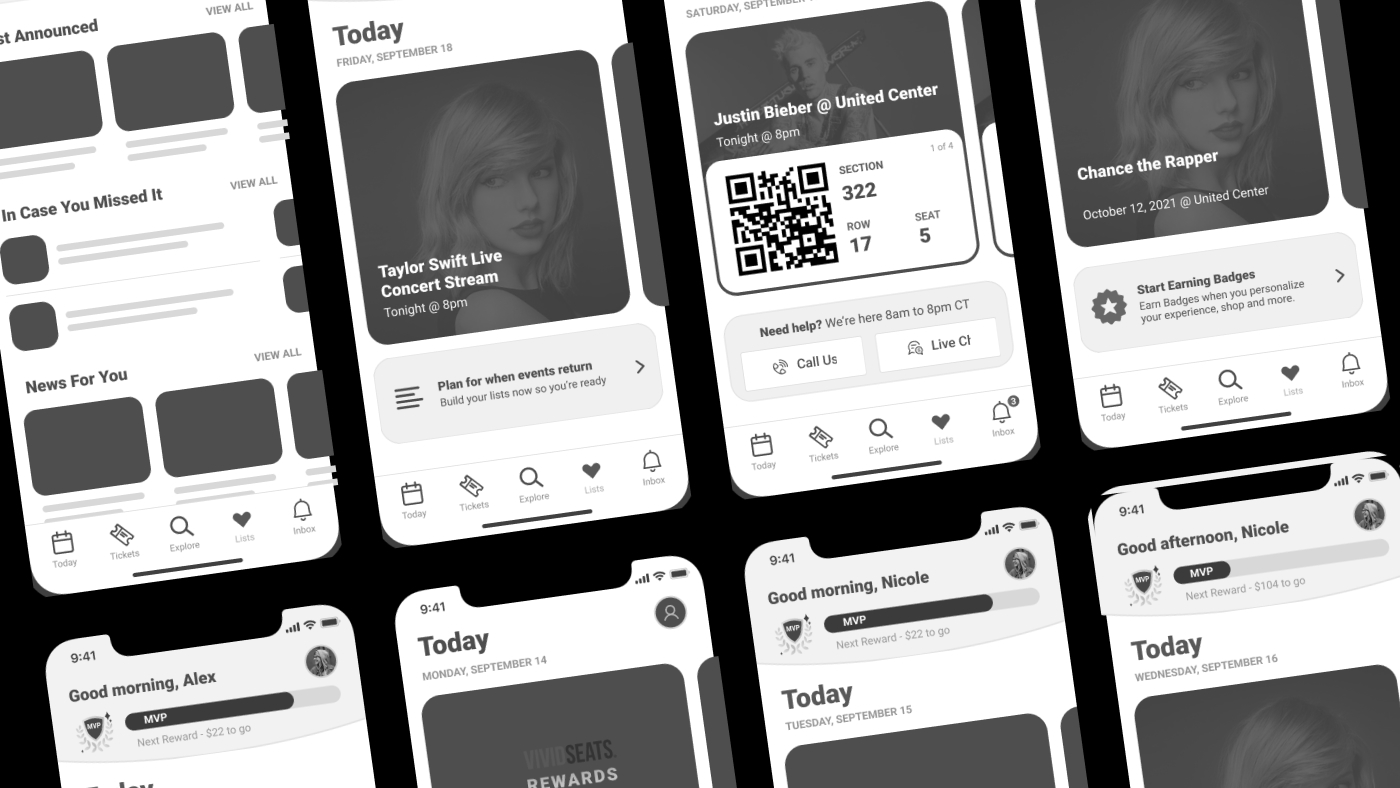
From there, my team moved through low-fidelity wireframes and prototypes, testing with internal users before high-fidelity UI.
04 — Key Decisions & Tradeoffs
The calls that mattered
Rethinking the home screen as a feed, not an improved list
We could have improved the existing list with better filtering and search. Instead we rebuilt the home screen as a dynamic feed of events, nudges, and content tailored to each user. The old model was optimized for conversion. We needed one optimized for relationship.
Integrating rewards into the profile, not isolating them
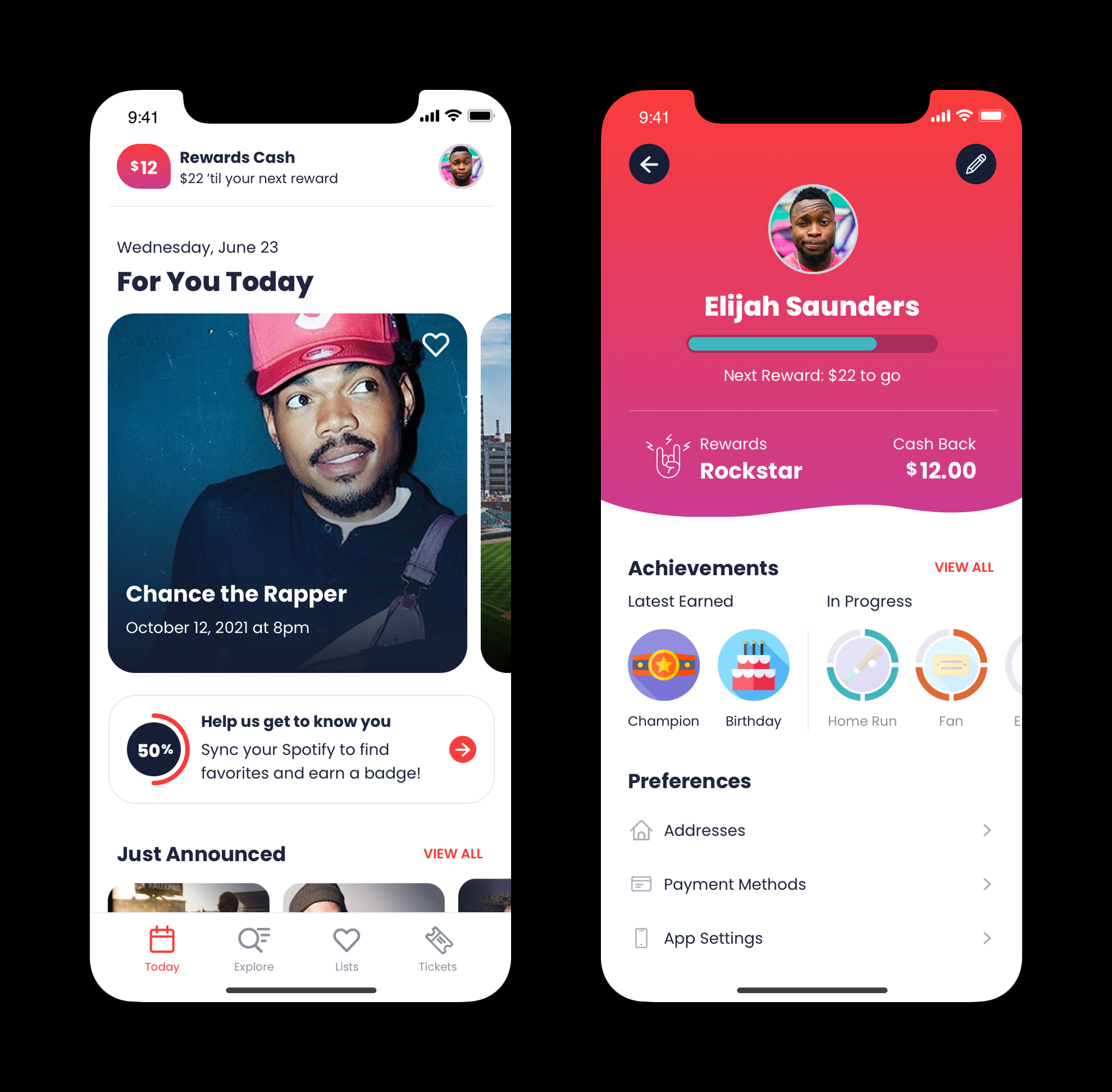
Loyalty had lived in its own tab, disconnected from everything else. We moved it into the user profile and added an achievements system that rewarded engagement beyond purchases, anchoring rewards to identity rather than a tab users might never visit.
05 — Outcomes & Results
What actually shipped
For You Today
We shipped a redesigned home screen with a dynamic feed, plus loyalty rebuilt into the profile with a new achievements system rewarding engagement beyond purchases.
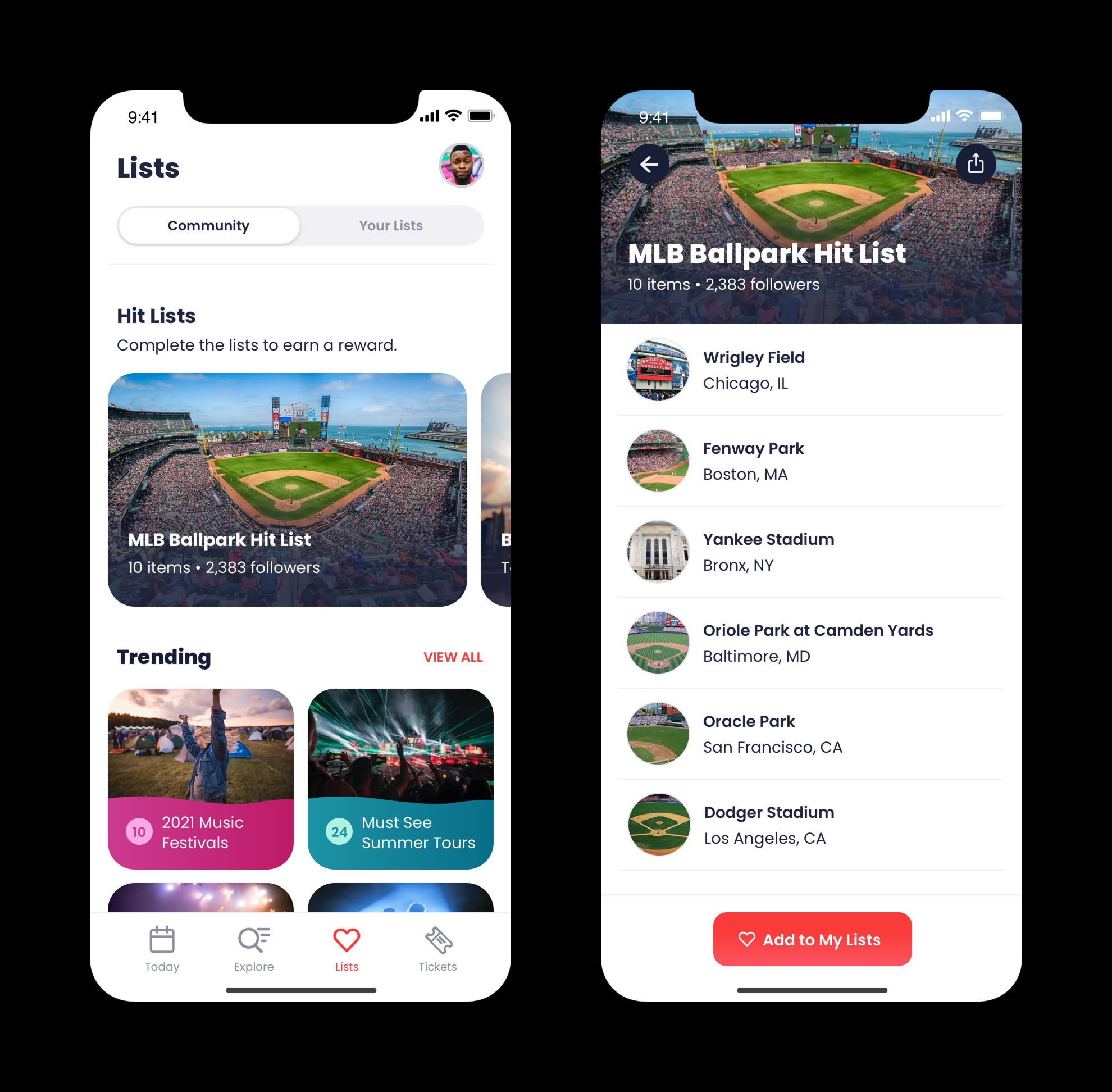
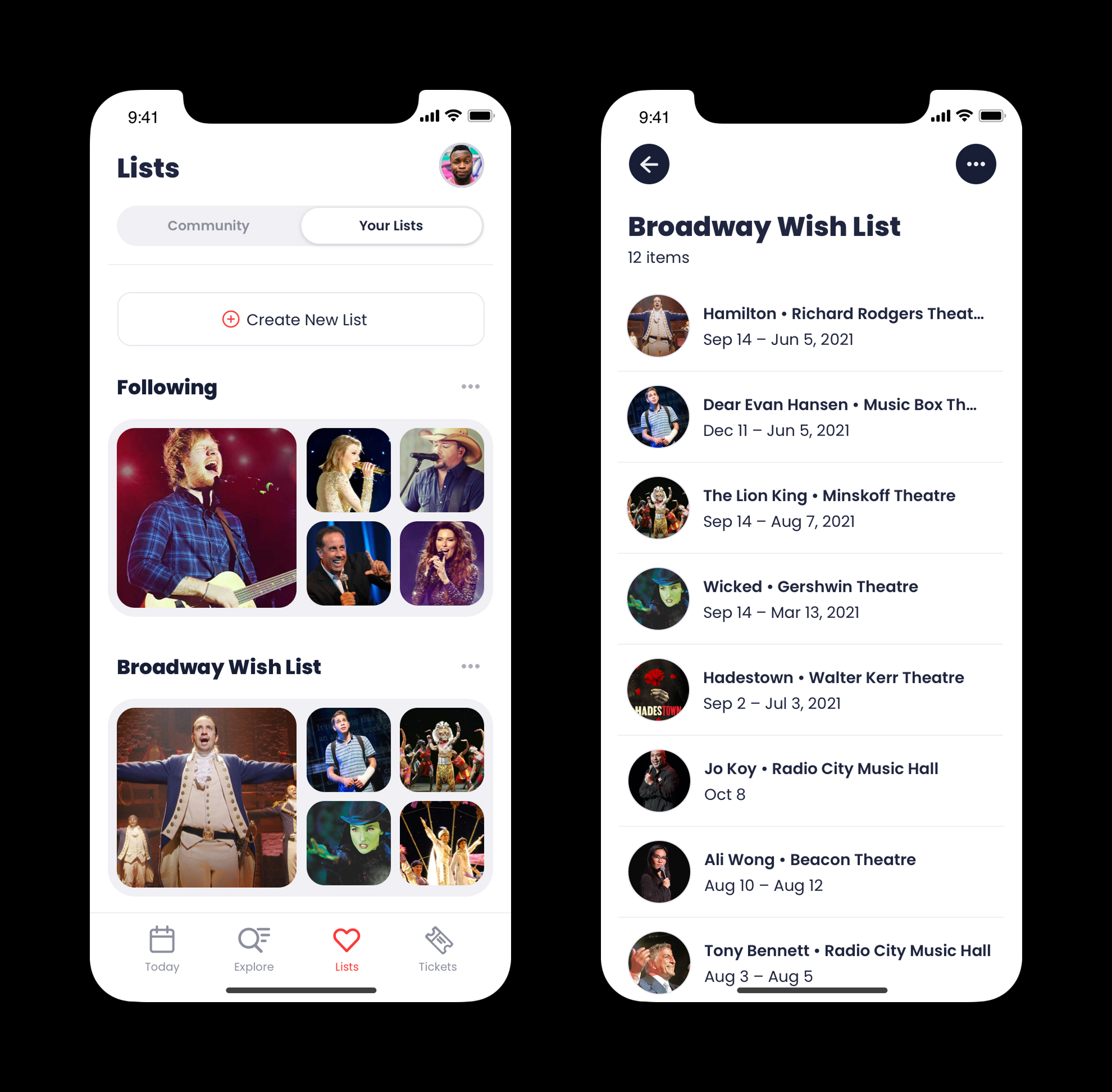
Curated & Custom Lists
Designed and handed off under this initiative; shipped after I moved on, with the core concept and UX completed under my ownership.
06 — Lessons Learned
What I'd do differently
I'd define per-feature success metrics earlier. "Increase engagement" is a valid north star, but concrete numbers, return visit rate, rewards check-ins, list creation rate, would have made usability testing sharper and post-launch evaluation more honest.
This project also convinced me that facilitated workshops are worth running even when alignment isn't the goal. Some of the best constraints and ideas on this project came out of the room, not a standard design review.